
At half past four in the morning, an Italian town has a very short list of lights. One is a streetlamp. The other is the bakery, where someone who started work the evening before is already sliding the first loaves into the oven. By seven those loaves are on the counter, still warm. By nine the first bake is mostly gone. What happens in the eleven hours between mixing and selling is the quiet centre of Italian bread making: the overnight rest. It is not a marketing idea, and it is not a technique borrowed from a laboratory. It is the shape of a working day, worked out over generations by people who needed good bread ready early and had no way to hurry it along.
The Night Shift Starts Before the Town Sleeps
Anyone who thinks a bakery wakes up at four in the morning has the timetable backwards. For most small shops the day begins around nine or ten at night, when the flour goes into the mixer. The dough is mixed, usually a little cooler than a home baker would expect, then left in a big tub under a cloth for its first long rest. In Italian baking this stage has its own name — the puntata, the bulk rise — and it is where most of the flavour is decided.
Then the schedule splits. In some bakeries the dough sits at room temperature until the early hours and the baker shapes it at three or four. In others it goes into a cold room overnight, and shaping happens in the morning from dough that has been held back deliberately. Some shops do both: a warm first rest, a cold second one. There is no single Italian method, which is the first thing to understand. A bakery in a hill town and a bakery forty kilometres away may disagree about almost every hour of the night and both may be right.
The baker's own night is not romantic. There are naps on a bench, coffee from a machine that has been on since midnight, a radio at low volume. But the calm is real, and it comes from having done the work early. By the time the shutters go up, the difficult part is finished.
What Resting Actually Does to the Dough
Flavour comes from time, not from the recipe
Flour, water, salt and a leavening agent make a fairly plain list. Everything we recognise as bread flavour — the slight sourness, the nutty edge, the smell that fills a stairwell — is produced during fermentation. Enzymes in the flour break starch into sugars; yeasts turn those sugars into gas and alcohol; bacteria produce the acids that give a long-rested loaf its depth. Two doughs with identical ingredients, one baked after two hours and one after sixteen, will not taste like the same bread. The overnight version has had the time to become something else.
The gluten relaxes, so shaping asks less of the baker
A dough that has rested is extensible. It stretches without fighting back, which is why an experienced baker can shape a wet, high-hydration dough with a few quick movements and no flour cloud. Strength built in the mixer and strength built by time are different things, and the second kind is gentler. It also gives a more open crumb and a crust that lifts rather than tears.
Cold buys time without stopping the work
A refrigerator does not pause fermentation; it slows one part of it more than another. Yeast activity drops sharply in the cold, while enzyme activity and acid production continue at a reduced pace. That mismatch is exactly what a baker wants from an overnight rest: less gas, more flavour. The practical detail is temperature. Dough that leaves the mixer too warm will overproof before morning; dough that is too cold will arrive at shaping slack and lifeless. Most bakers aim for a dough in the low twenties Celsius and a fridge that holds steadily around four to six degrees. A home fridge door is the worst place for dough, and a fridge full of strong-smelling food is worse still — dough picks up odours.
Biga, Poolish, Lievito Madre: Three Ways to Wait
The overnight rest in Italy is often not just the dough sitting there. It is built around a pre-ferment made the day before, which is a way of splitting the wait into two parts.
- Biga. A stiff pre-ferment, roughly half as much water as flour, mixed the day before and left to mature for many hours. It gives aroma, a slightly chewy crumb and a lot of dough strength. Common in the north, in breads that need to hold their shape.
- Poolish. Equal weights of flour and water with a pinch of yeast, left until bubbly and sweet-smelling. It softens the crumb and brings a milder, almost milky flavour. Easier to handle at home because it is liquid and mixes in without lumps.
- Lievito madre. A sourdough starter kept alive and refreshed, sometimes for decades, passed between bakers and family members. Longer fermentation, more acidity, notably better keeping quality. It demands attention on a schedule the baker cannot ignore.
None of these is a rule. They are habits, and they carry regional accents. The point in all three cases is the same: a portion of the work is done before the night shift begins, so the night itself is shorter and the flavour deeper.
What the Night Gives Back: Crust, Crumb, Keeping
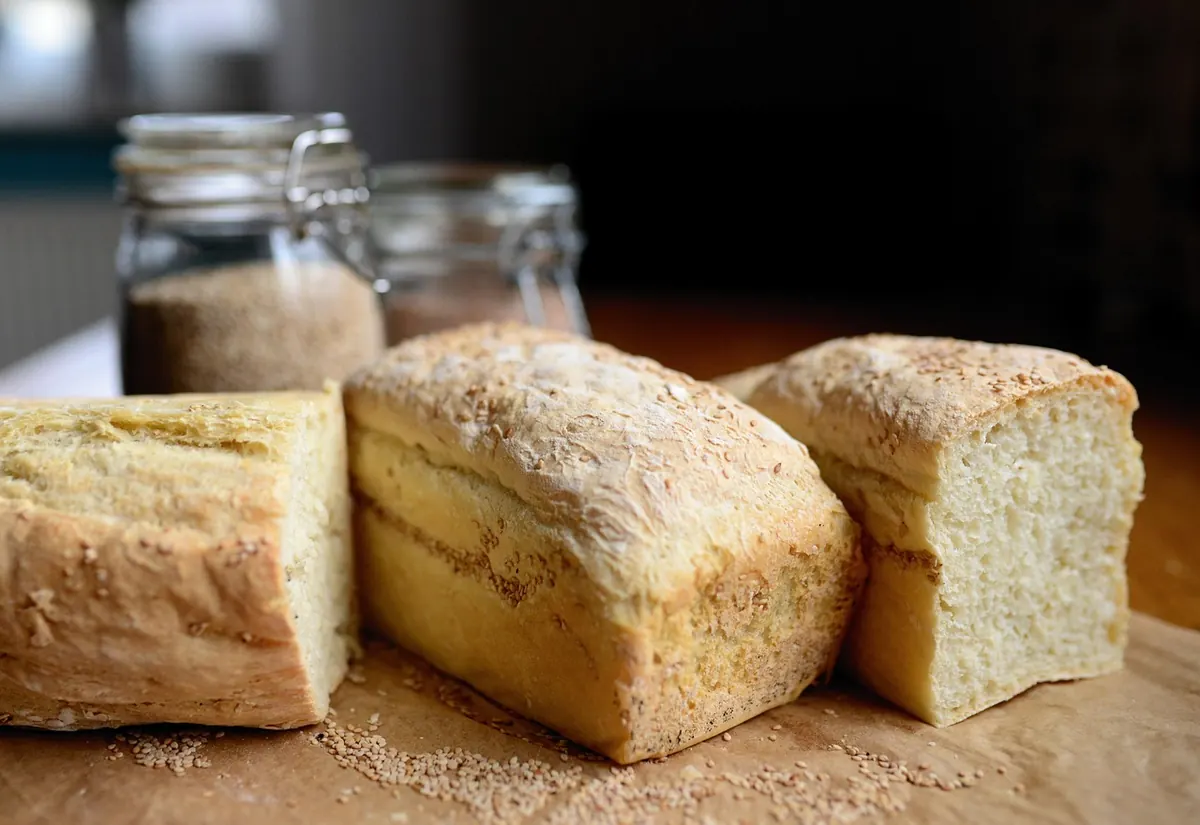
Overnight dough behaves differently in the oven. Sugars released during the long rest brown faster and more evenly, which is why a well-rested loaf comes out with a crust the colour of dark honey rather than pale gold. The crumb tends to be more irregular, with holes of different sizes and a glossy interior instead of a dry one.
Then there is shelf life, the most practical gift of all. A long-fermented loaf stays edible for two or three days, sometimes more, because the acids slow the process that turns bread stale. This is why an Italian bakery can sell bread unwrapped and why people buy it every day rather than twice a week. It is also the honest test for a home baker: leave a slice out overnight. If it is still soft in the middle the next morning, the rest was long enough.
“Il pane si fa di notte.” Bread is made at night — a line you will hear in almost any Italian bakery, usually with a shrug.
The Neighbourhood Keeps the Same Clock
Overnight dough creates a schedule that the whole street ends up sharing. The first customers arrive shortly after opening: someone on the way to work, a grandparent with a grandchild, a delivery driver who knows exactly when the sfornata — the moment the bread comes out — happens. Warm bread is not a gimmick here; it is the normal condition of the product, and it lasts about an hour.
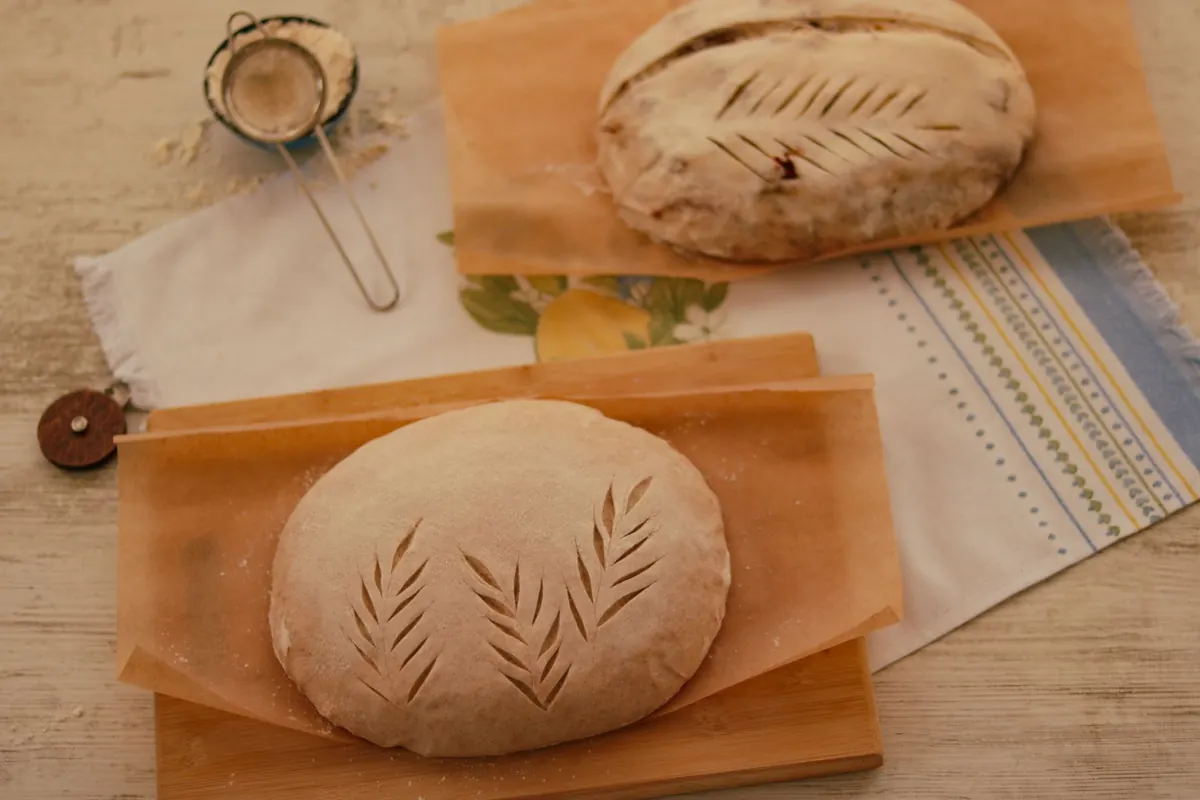
A second, smaller bake often follows in the afternoon, so that people buying for dinner are not buying morning bread. That rhythm shapes the shop as much as the recipe does. The baker learns who wants a dark, well-baked pagnotta and who wants the paler filone; learns that Friday needs more; learns that when the oven breaks, half the street will ask about it before lunchtime. The overnight rest is not just chemistry. It sets the hours in which a neighbourhood eats.
Bringing the Overnight Rhythm Home
You do not need a night shift to borrow the method. A home oven and a normal fridge can carry most of it. A few things worth doing:
- Start a pre-ferment the evening before. A poolish of equal flour and water with a tiny pinch of yeast is the easiest entry point. Leave it covered at room temperature until bubbly, then refrigerate.
- Mix cooler than feels natural. Use cool water, and stop mixing before the dough gets warm and slack. Aim for a dough that feels only slightly cool to the touch.
- Give it a slow bulk rest in the fridge. Cover the bowl well. Eight to twelve hours is a reasonable window; longer in summer, shorter in a warm kitchen.
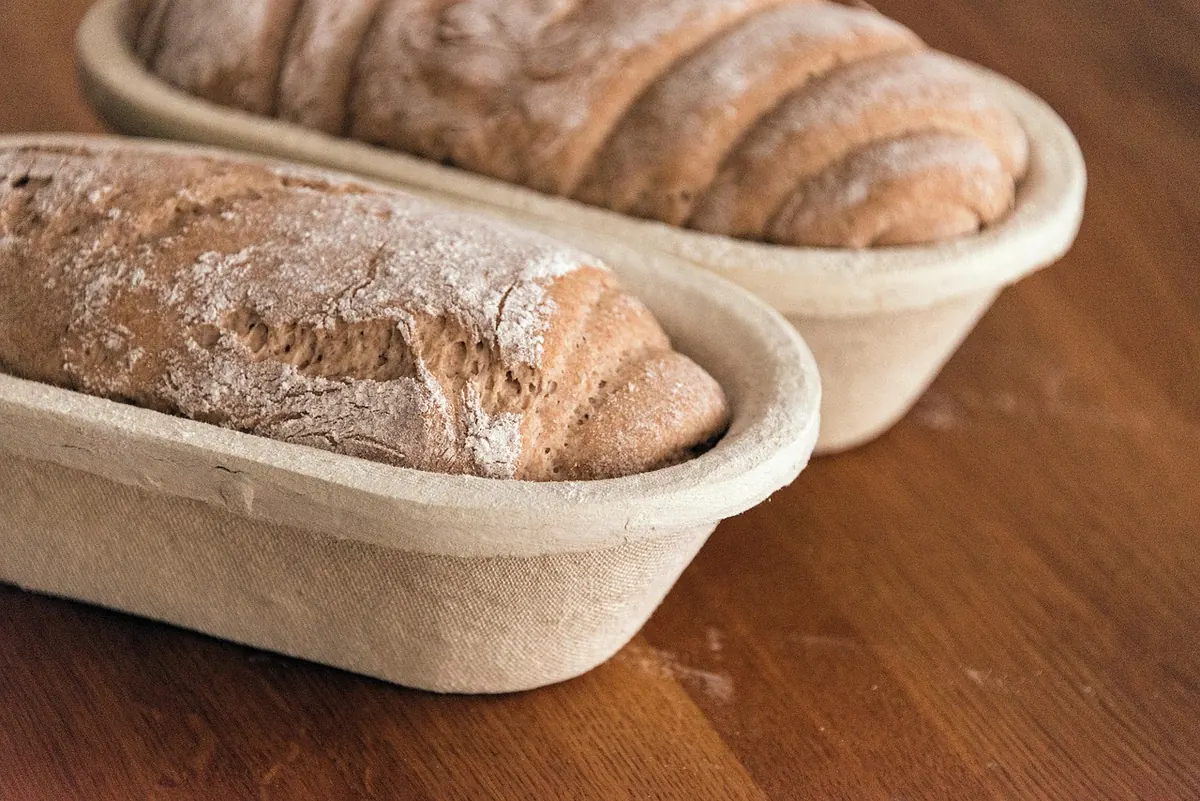
- Shape cold, then proof cold again if the timing suits you. Cold dough is easier to handle. Put the shaped loaf in a floured basket or bowl, cover it, and leave it in the fridge overnight.
- Bake from cold into a properly hot oven. Preheat thoroughly, with a covered pot or a tray of water for steam. A cold loaf going into a hot oven gives a better rise than a warm one going into a lukewarm oven.
- Keep a note of times and temperatures. Two or three bakes will teach you more about your own fridge and kitchen than any recipe can. Change one thing at a time.
Salt matters more than most people expect in a long rest; around two percent of the flour weight is a common starting point, and a dough left overnight with too little of it will ferment too fast and taste flat. Beyond that, the method is forgiving. The bread will not be identical to what comes out of a wood-fired oven at six in the morning, but it will have the thing that matters: the depth that only comes from waiting. Set the dough going before you go to bed, and the morning already has something in it.
Photo: Pexels / Pixabay